
OSHA’s minor servicing exception is narrow and frequently misunderstood. Learn the conditions that must be met before an employee performs servicing during normal production without applying full lockout/tagout.
Production equipment occasionally needs adjustments, cleaning, tool changes, material alignment, or other attention while it is being used. Because these tasks may be brief and familiar, employees and supervisors sometimes assume that a complete lockout/tagout procedure is unnecessary.
That assumption can expose employees to serious hazards.
The Occupational Safety and Health Administration’s minor servicing exception is a narrow exception within the lockout/tagout requirements. It does not create a general exemption for quick maintenance, simple adjustments, or tasks that only take a few minutes.
Before relying on the minor servicing exception, an employer must determine that the activity meets every required condition and that effective alternative protective measures are being used.
Understanding those conditions is essential for protecting employees and maintaining compliance with OSHA’s Control of Hazardous Energy standard.
What Is the OSHA Minor Servicing Exception?
The standard recognizes that certain limited servicing activities may need to be performed during normal production. Under the minor servicing exception, some minor tool changes, adjustments, and similar servicing activities may be performed without applying a complete lockout/tagout procedure.
However, the task must:
All of these conditions must be met. An employer should not treat the criteria as a menu from which only some requirements need to be selected to qualify for the minor servicing exception.
OSHA states that minor servicing activities remain subject to lockout/tagout unless every provision of the exception is satisfied.
Is a Lockable Stop Switch an Acceptable Alternative?
A lockable control switch may sometimes be part of an alternative protective system, but installing a lock on a standard on/off switch does not automatically satisfy the minor servicing exception.
The employer must evaluate factors such as:
- Whether all hazardous energy sources are controlled
- Whether the switch is under the employee’s exclusive control
- Whether the control system can fail or be overridden
- Whether stored energy remains in the machine
- Whether another employee could activate the equipment
- Whether the switch provides protection equivalent to the identified hazard
- Whether the device is designed and maintained using recognized engineering practices
OSHA evaluates these arrangements based on the particular equipment and circumstances. A device that works for one machine or task may not provide effective protection for another.
Activities That May Not Qualify
Employers should be cautious about applying the minor servicing exception to activities such as:
- Repairing a mechanical failure
- Removing a severe or unpredictable jam
- Entering a robotic cell
- Replacing a motor, belt, chain, cylinder, or major component
- Performing electrical troubleshooting
- Reaching into an unguarded point of operation
- Removing equipment guards for extended work
- Performing maintenance that requires significant disassembly
- Entering an area with uncontrolled hydraulic, pneumatic, gravity, thermal, or electrical energy
- Completing a task without effective alternative safeguarding
OSHA provides an example involving an employee unjamming a robotic arm. The activity did not qualify because it was not performed during normal production operations and effective alternative protection was not being used.
In another OSHA case study, cleaning printing press rolls did not qualify even though it occurred during production and was routine, repetitive, and integral. The employer had not implemented alternative measures that effectively protected the employee from the press-roll nip points.
These examples demonstrate why every requirement must be evaluated prior to utilizing the minor servicing exemption.
A Decision Process for Evaluating Minor Servicing
Before permitting work under the minor servicing exception, employers should complete and document a task-specific assessment.
Common Minor-Servicing Mistakes
One common mistake is assuming that the duration of a task determines whether lockout/tagout is required. A task that takes only a few seconds can still expose an employee to fatal hazardous energy.
Another mistake is classifying all jams as minor servicing. A predictable, limited material interruption addressed through an engineered safeguarding system may be different from a severe jam that requires an employee to enter a hazardous area.
Other frequent mistakes include:
- Relying only on an emergency-stop button
- Failing to control stored energy
- Allowing employees to bypass interlocks
- Using an exception created through informal workplace practice
- Failing to document the assessment
- Treating production pressure as a reason to avoid lockout
- Applying the same conclusion to different machines
- Failing to review the procedure after equipment modifications
- Assuming experienced employees do not need task-specific training
When Full Lockout/Tagout Should Be Used
When there is uncertainty about whether a task satisfies every element of the minor servicing exception, the safer approach is generally to use the facility’s complete energy-control procedure.
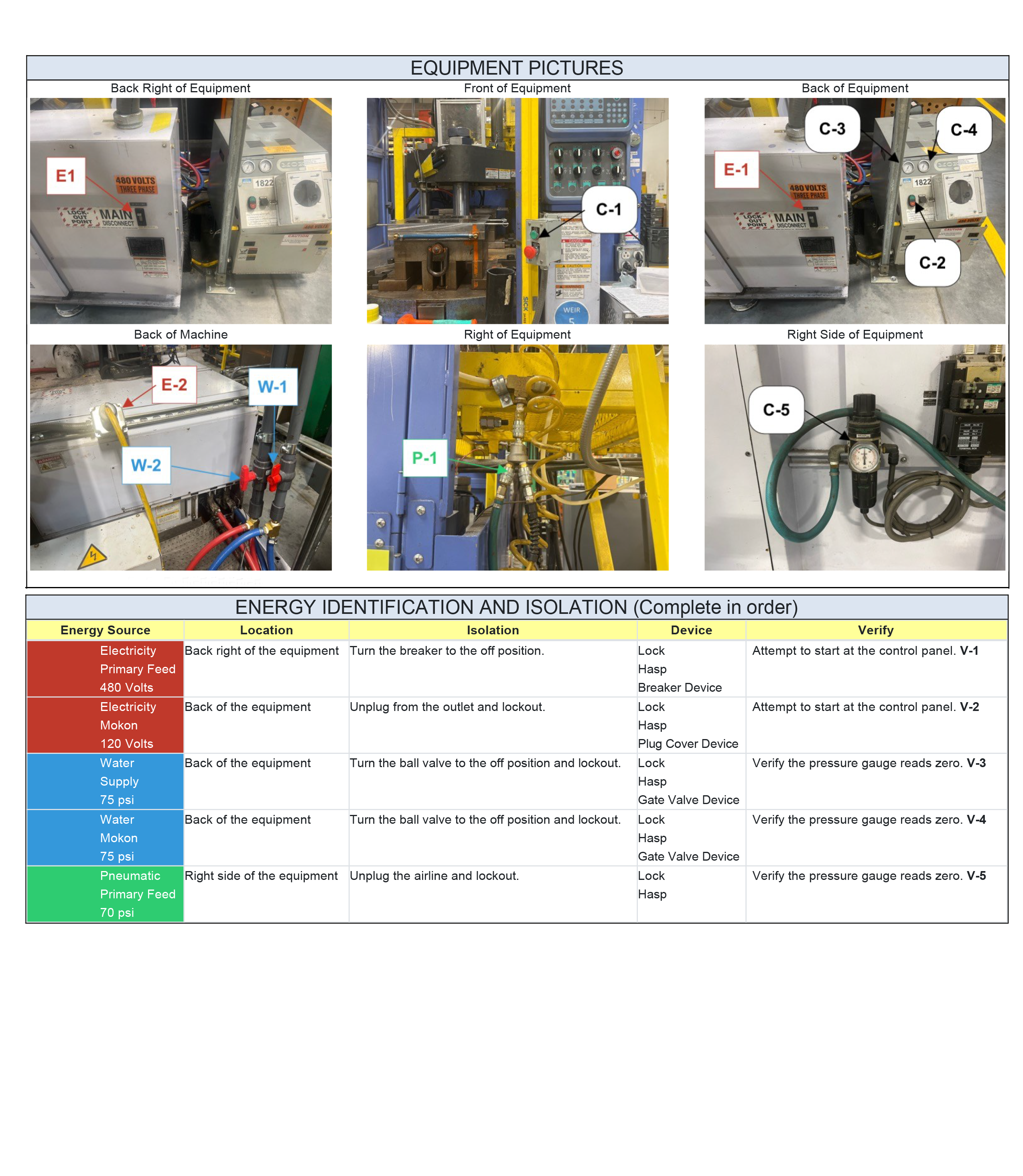
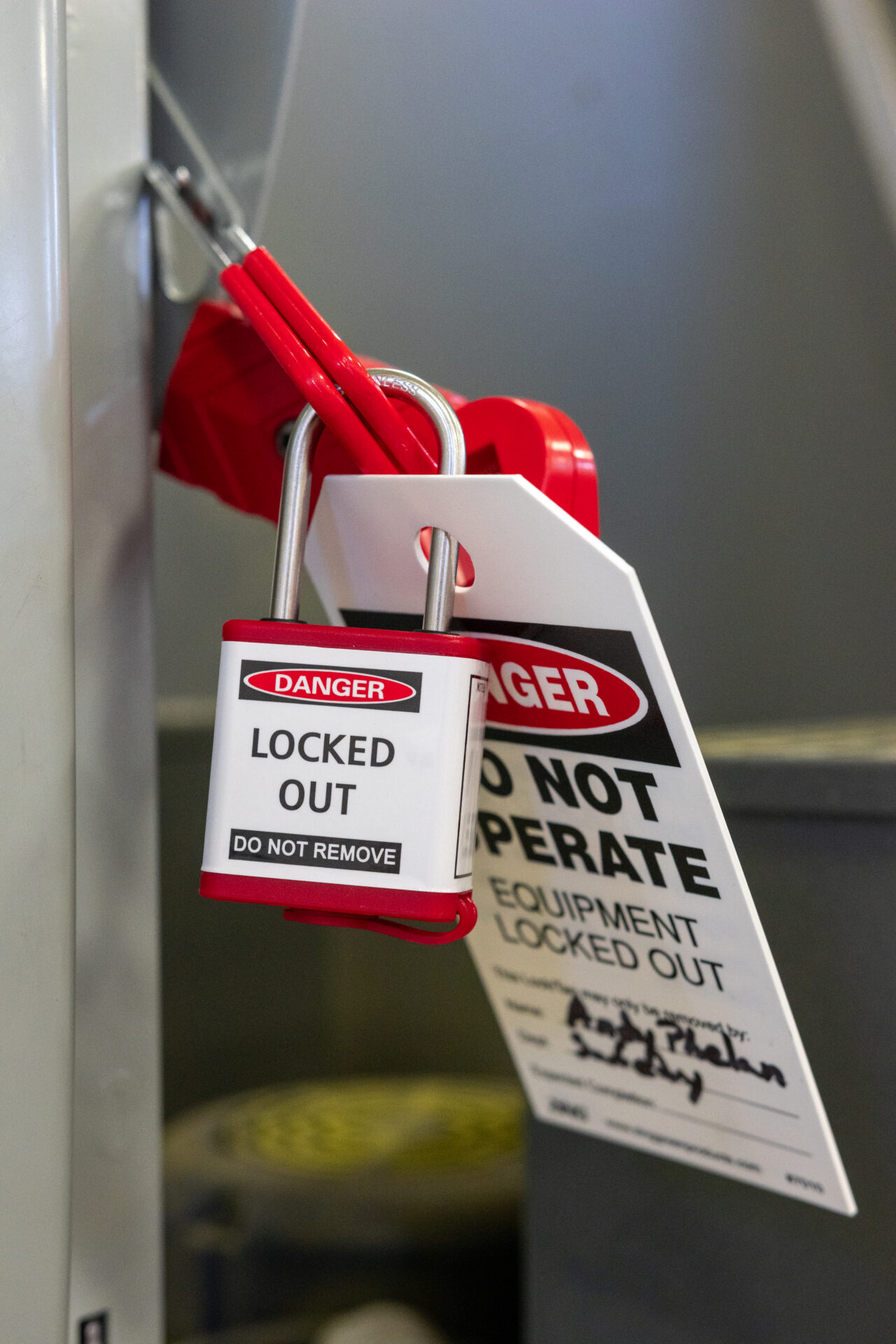
OSHA’s lockout/tagout standard establishes minimum requirements for controlling hazardous energy during machine servicing and maintenance. A typical procedure includes shutting down the equipment, isolating all energy sources, applying lockout devices, controlling stored energy, and verifying isolation before work begins.
The minor servicing exception should never be used merely because full lockout takes longer or interrupts production.
Managing Minor-Servicing Assessments Digitally
Facilities may have hundreds or thousands of production tasks that require safety review. Paper assessments, spreadsheets, and shared folders can make it difficult to determine which tasks have been evaluated, approved, or updated.
A digital process can help safety teams:
- Inventory machines and servicing tasks
- Document energy sources and hazards
- Attach equipment and safeguarding photographs
- Record the basis for using the minor servicing exception
- Assign assessments to qualified reviewers
- Track approval and revision dates
- Link tasks to machine-specific LOTO procedures
- Conduct periodic inspections
- Document employee training
- Identify assessments affected by equipment modifications
- Maintain records across multiple facilities
Smart Safety Pro helps industrial facilities and safety consultants create, manage, inspect, and update machine-specific hazardous-energy-control procedures. Mobile access allows qualified personnel to document energy sources, isolation points, photographs, validation steps, and procedure changes directly at the equipment.
Final Takeaway
The OSHA minor servicing exception is not based on how quickly a task can be completed or how frequently an employee has performed it.
To qualify, the activity must occur during normal production operations, be routine, repetitive, and integral to production, and be completed using alternative protective measures that provide effective protection.
When any requirement is missing—or when safeguards do not fully protect the employee—the facility should follow its normal lockout/tagout procedure.
A documented, machine-specific evaluation is one of the best ways to prevent inconsistent decisions and demonstrate that hazardous-energy risks were carefully considered.
Please note that this article provides general information about OSHA lockout/tagout requirements and is not legal advice. Employers should evaluate each task, machine, and workplace condition individually and consult qualified safety or legal professionals when necessary.
Need a better way to create and manage machine-specific LOTO procedures? Smart Safety Pro provides mobile tools for documenting energy sources, capturing isolation-point photographs, completing periodic inspections, tracking revisions, and keeping procedures accessible to employees and safety professionals.